

What is the purpose of a Conditional Report:
- Are all assets present: Firstly, check that all assets are physically there or add if there are any additional, update the database. This needs to be monitored and updated regularly.
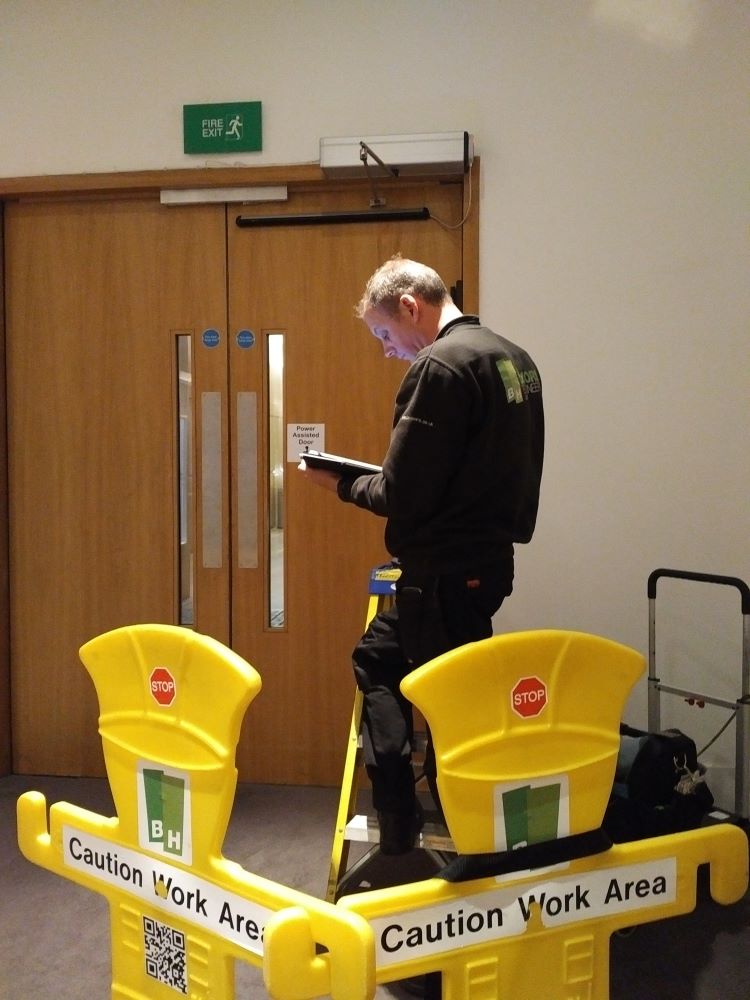
- Assess operation: Do they work, are they safe and compliant? Check them for correct operation and functionality. Carry out any required PPM’s Preventative Maintenance and testing for compliance.
- Identify Risks, defects or Hazards: It helps pinpoint any existing problems or potential issues that may arise currently or in the future.
- Estimate Remaining Life: The report can help estimate how long the asset can continue to function effectively before it needs repair, refurbishment, or replacement.
Some manufacturers recommend replacement of parts or complete replacement after a time period and needs to be ascertained against each asset.
This could be date of purchase or installation or commissioning.
- Support Decision-Making: The information provided in the report can aid in decision-making related to maintenance, repairs, or asset replacement.
- Facilitate Financial Planning: Conditional reports can help organizations make informed decisions about asset management strategies, including budgeting for repairs and replacements.
Who Uses Condition Reports:
- Asset Owners: To manage their assets effectively and plan for future maintenance and replacements.
- Potential Buyers/Tenants: To assess the condition of a property before purchasing or renting.
- Property Managers: To monitor the condition of buildings and infrastructure.
- Engineers and Technicians: To identify areas that require maintenance or repair.
- Insurance Companies: To assess the risk associated with insuring an asset.
The Importance of Asset Management
The asset management process has the responsibility of optimising value delivery and making well-considered decisions regarding assets.
If an asset is neglected, its chances of failure or malfunction will increase. Which is why scheduled maintenance playing a pivotal role in asset management
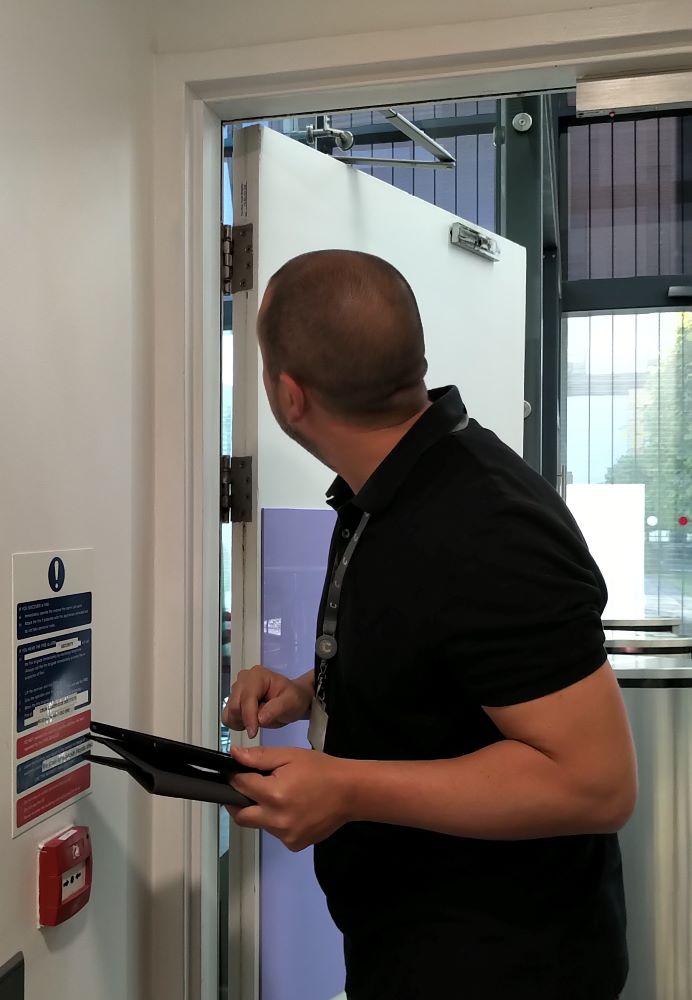
The main function of asset management is to minimise the total life cost of assets, influenced by various factors like business continuity and risk exposure during decision-making.
This creates an environment wherein organisations can analyse and monitor asset performance across different phases.
It also involves optimising costs and mitigating threats against the performance of assets, ensuring an optimal return on investment (ROI) while maintaining the organisation’s objectives.
Asset Life Cycle Explained
At the very heart of asset management is the understanding of an asset’s life cycle through several crucial stages.
It begins upon the company’s acquisition of the asset and ends with its disposal.
The life cycle of an asset includes depreciation adjustments, repairs and upgrades.
What Is Asset Life Cycle Management?
Every business needs to know exactly what assets they have, where they are and their condition to effectively plan for future assignments and fulfil business demands.
Asset life cycle management is the process by which an organisation optimises the profit generated by its assets throughout their lifecycle.
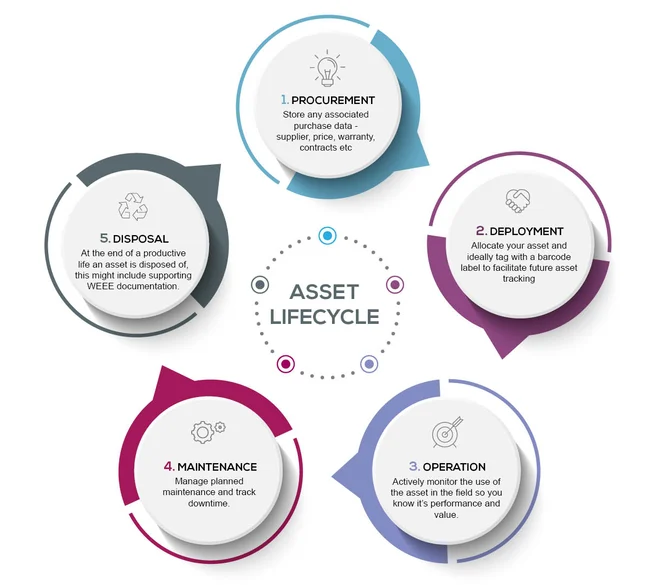
The 5 Key Stages of Asset Life Cycle Management
We already know that asset life cycle management assists organisations in tracking the changes in their assets, how they are configured, and their location.
All assets go through these five key stages, no matter their size or type:
- Procurement
This stage sits at the beginning of the life cycle, when the asset is first purchased.
The procurement or each asset is determined based on the company’s needs and budget, which is calculated through asset management software’s data and forecasts
Once the purchase order has been approved, the purchase must be added to the inventory.
- Deployment
The deployment stage comes before the asset is put to use. This involves assembly and preliminary testing. These assessments include a thorough examination for physical defects as well as design and engineering integrity and whether it has been correctly and safely installed.
Comprehensive checks are performed to identify and address any potential issues, often including the attachment of barcode tags for efficient tracking.
- Utilisation
The longest stage of asset life cycle management, the asset is put to use. Asset management software will track its revenue and ROI.
Any upgrades, patch fixes, new licences, compliance audits and cost-benefit analysis all fall within the scope of the utilisation stage.
Continuous monitoring of the asset’s performance helps identify any unforeseen problems that may emerge during the utilisation stage, resulting in maximum output potential.
- Maintenance
Through continuous use, the asset will be subject to wear and tear, requiring maintenance to become a common occurrence.
As the asset ages, maintenance will contribute to prolonging its productive lifespan.
Modifications and upgrades are implemented to ensure compliance, enhance speed and functionality, which will improve the overall quality of the asset.
- Disposal
At the end of an asset’s productive lifespan, its proper disposal is important. Prior to disposal, everything should be checked, treated and processed.
In order for this to happen, all data must be meticulously wiped from the asset and the asset methodically dismantled, piece by piece and all non-usable parts recycled.
Any elements that pose environmental risk must be disposed of and reported in compliance with the environmental laws of your area.